Fall is when furnaces get honest.
After sitting dormant through spring and summer, a heating system that looked perfectly fine in April will sometimes reveal a different story the first time it runs hard in October. The problems that develop quietly over months of inactivity, or that were already present but never stress-tested, tend to surface fast once a furnace starts cycling through full heating loads again.
For HVAC technicians and business owners, this is both the challenge and the opportunity of pre-season inspection work. The failures that show up in fall didn’t all start in fall. Understanding what develops over summer, why certain failure patterns concentrate in these early weeks of heating season, and how to find them before they become emergencies is some of the most practically valuable knowledge a technician can carry into this time of year.
What Happens to a Heat Exchanger Over the Summer
Most homeowners don’t think about their furnace from May through September. Neither does the equipment, in a sense. It just sits there. And sitting, it turns out, creates its own set of conditions that a working heat exchanger doesn’t face.
Moisture is the main actor. When a furnace isn’t running, condensation can accumulate inside the heat exchanger and surrounding components. Humidity levels that would be moderated by regular system operation instead sit against metal surfaces for weeks. In regions with humid summers, this is particularly significant. The result is internal corrosion that progresses during the off-season and may not be visible from the exterior of the unit.
The other factor is the residue left behind from the previous heating season. Combustion byproducts, soot accumulation, and any small stress points that developed in the exchanger last winter have had months to settle in. They haven’t healed. In many cases, the thermal stress of the first few heating cycles in fall is exactly what turns a stable crack into an active one.
The Failure Patterns That Concentrate in Fall
Not all heat exchanger failures are equally likely to appear in October versus January. Based on the failure types that emerge with seasonal patterns, a few stand out as particularly common during early heating season.
Fatigue Cracks From Last Winter’s Stress
Heat exchangers flex. Every time a furnace fires and then shuts down, the metal expands and contracts. Over hundreds or thousands of cycles, this thermal fatigue accumulates at stress points, typically in areas where the geometry of the exchanger creates concentration, near bends in serpentine configurations, at welds, or along the edges of clamshell designs where two formed pieces meet.
A heat exchanger that completed last winter with a hairline fatigue crack that wasn’t caught may have sat all summer without getting worse. Then the first sustained heating cycle of fall reactivates the stress at that point. The crack progresses. By the time anyone notices a symptom, it may have been propagating for several cycles.
These are the failures that pre-season inspection is specifically designed to intercept. Finding a fatigue crack before the season means finding it when it can be addressed on a scheduled basis rather than as an emergency call on a cold night.
Corrosion From Summer Moisture
The failure profile of a corrosion-damaged heat exchanger looks different from a fatigue crack. Rather than a discrete structural break, corrosion produces pitting, thinning, and weakening across a surface area. The exchanger may not fail catastrophically all at once. Instead, the compromised wall gradually loses integrity until combustion gases can migrate through what used to be solid metal.
Fall inspections need to account for this specifically. A heat exchanger that passed visual inspection in March may have accumulated meaningful corrosion damage by October if summer conditions were favorable to it. Surface inspection alone isn’t sufficient. Technicians need to know what active corrosion looks like across different exchanger types and at different stages of progression.
Flame Pattern Changes From Seasonal Shifts
When a heat exchanger develops a crack or a corrosion breach, it changes the pressure dynamics inside the furnace. One of the most visible indicators of this is a shift in burner flame behavior, specifically when the blower starts. A healthy heat exchanger maintains consistent separation between the combustion side and the air distribution side. A compromised one allows pressure interaction between the two.
The result is a flame that rolls, flickers, or changes character when the blower kicks on. This is one of the most important things to watch during a first-run inspection in fall, because it’s a real-time diagnostic signal that doesn’t require any specialized tooling to observe. But it does require knowing exactly what to look for and understanding why it happens.
Stress Fractures in High-Efficiency Serpentine Designs
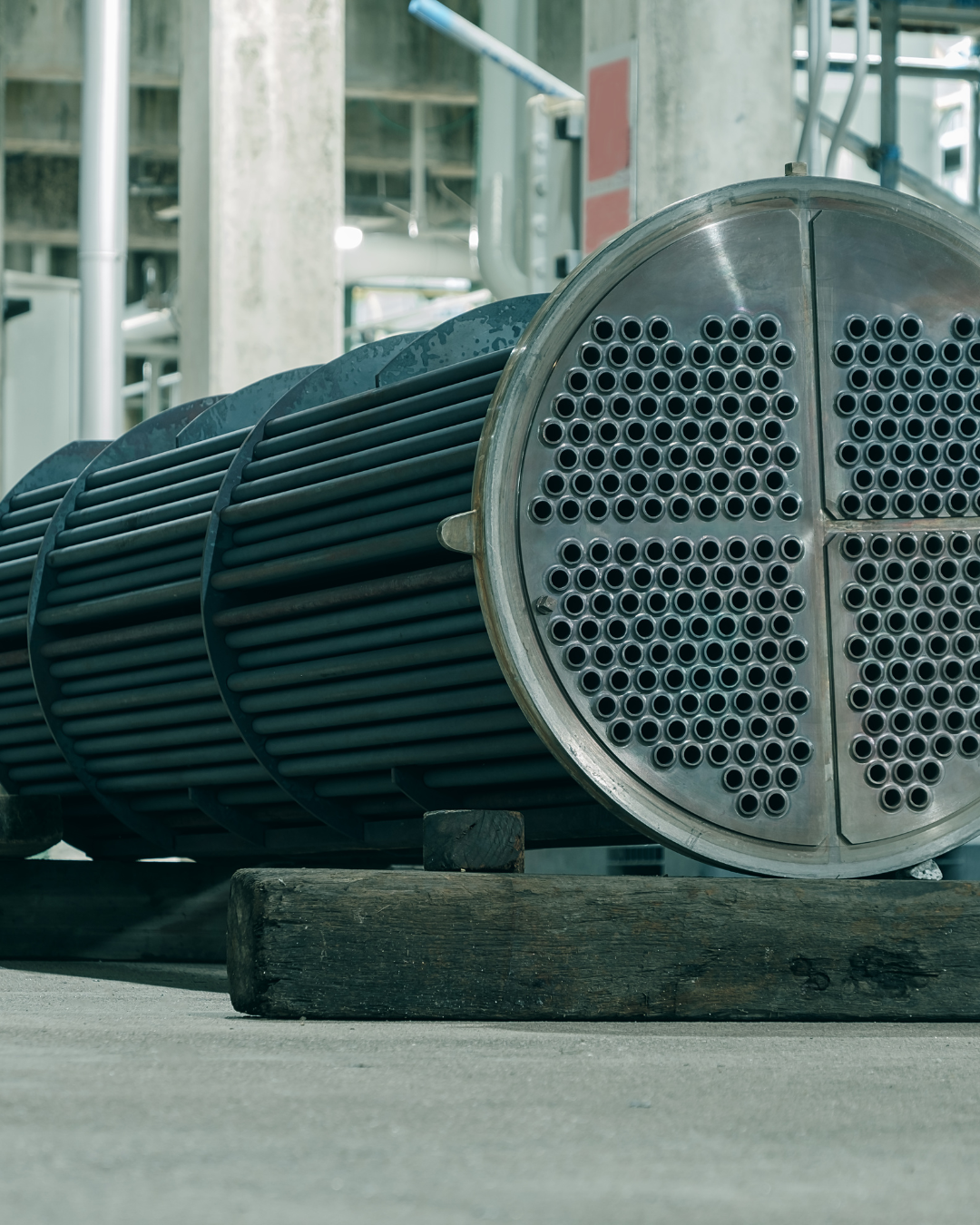
High-efficiency furnaces use serpentine heat exchangers that route combustion gases through a more complex path to extract more heat before exhaust. The trade-off is that these designs have more geometry, more bends, and more potential stress concentration points than a simpler clamshell design.
As high-efficiency furnaces age and accumulate heating seasons, the serpentine sections that experience the most thermal cycling are particularly susceptible to stress fractures. These aren’t always visible in a standard visual pass. They often require familiarity with where these fractures typically initiate on specific exchanger designs, which is knowledge that comes from training with real units rather than from general HVAC education.
How to Actually Catch These Problems
Describing failure patterns is useful. Knowing how to find them in a real inspection is what matters.
Start With the Flame
Before any physical inspection begins, observe the burner flame during startup and pay close attention when the blower activates. A steady blue flame that holds its character through the blower transition is a good initial sign. A flame that wavers, rolls toward the heat exchanger, or changes color when airflow increases is telling you something worth investigating further. Document what you see. This observation takes ninety seconds and it’s one of the most diagnostic things you can do at the start of an inspection.
Slow Down at the Visual Pass
A rushed visual inspection of a heat exchanger is barely better than no inspection at all. Look for surface discoloration, which can indicate heat concentration at a stress point. Look for soot deposits in unexpected locations, which can suggest combustion gas migration. Look for any moisture staining, rust progression, or physical deformation of the exchanger surface. These visual cues are accessible without specialized equipment, but they require time and a trained eye.
Listen to the System
Metal under stress makes noise. Popping sounds during the startup phase of a heating cycle, particularly early in the season when the system hasn’t run in months, can indicate thermal stress at structural weak points. Some noise is normal as components warm up. Persistent cracking, rhythmic ticking that intensifies with heat, or sounds that change character over a heating cycle are worth investigating rather than dismissing.
Know Your Exchanger Types
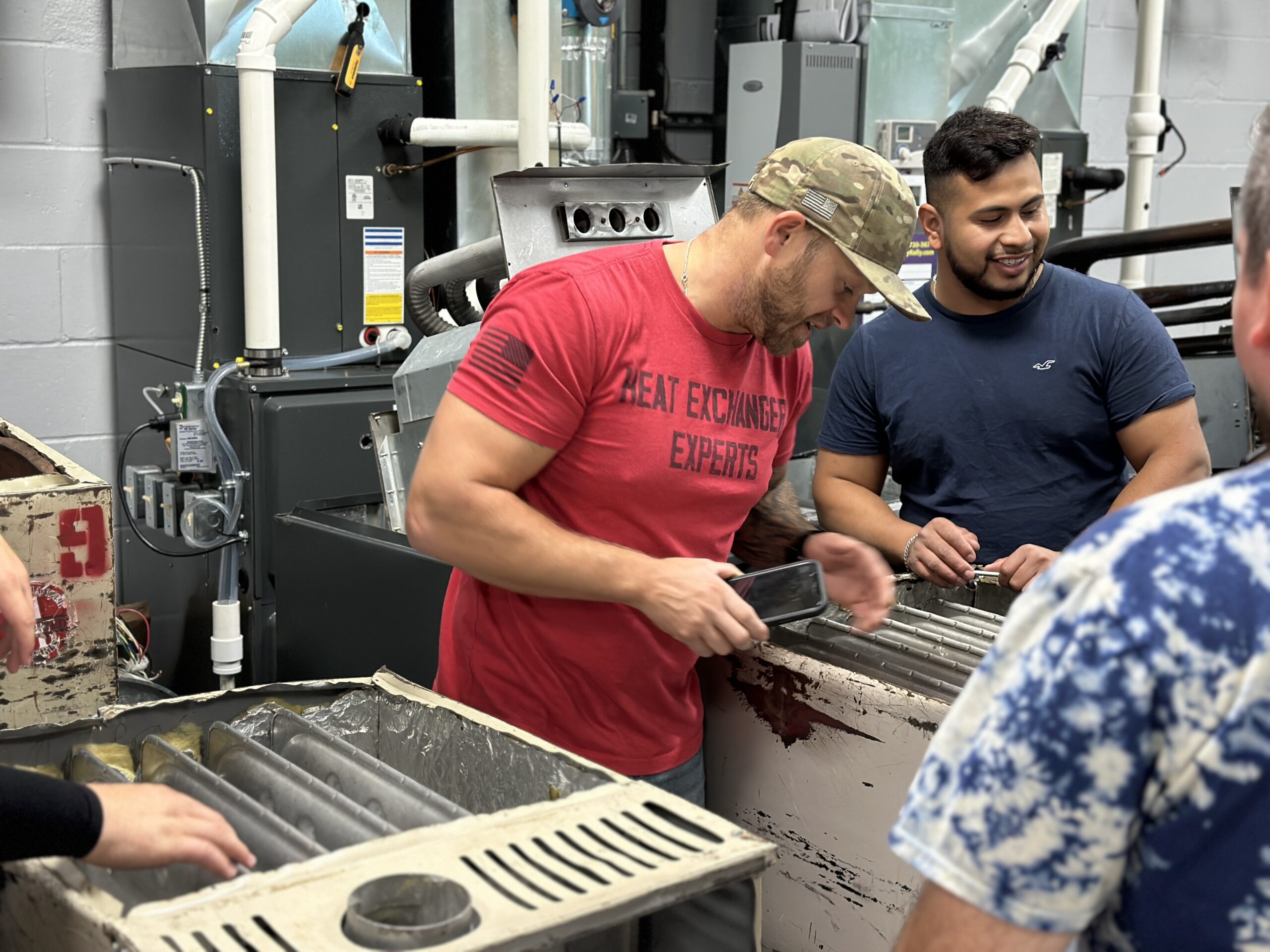
A clamshell heat exchanger fails differently than a serpentine one. A tubular exchanger has different stress concentration geometry than either. Technicians who have worked through multiple configurations in a training environment develop the pattern recognition to know where to look on each type. That’s not something that comes from reading about heat exchangers. It comes from handling them.
Document Specifically
When you find something during a fall inspection, document it in terms that mean something six months from now. “Some wear on exchanger” tells nobody anything. “Visible stress discoloration at primary fold of clamshell, upper left panel, approximately 2 inches in length, no visible crack at this inspection” tells the next technician exactly what to look for at the follow-up. Specific documentation is what turns a finding into a tracked condition rather than a forgotten note.
What Technicians Without Formal Training Miss
Here’s the uncomfortable reality that most HVAC business owners already know but don’t always say out loud. A technician who learned heat exchanger inspection informally, through job site exposure and accumulated experience, has gaps. The gaps aren’t their fault. They’re structural. You learn the failure patterns you personally encounter, on the equipment types you happen to service, in the markets where you happen to work.
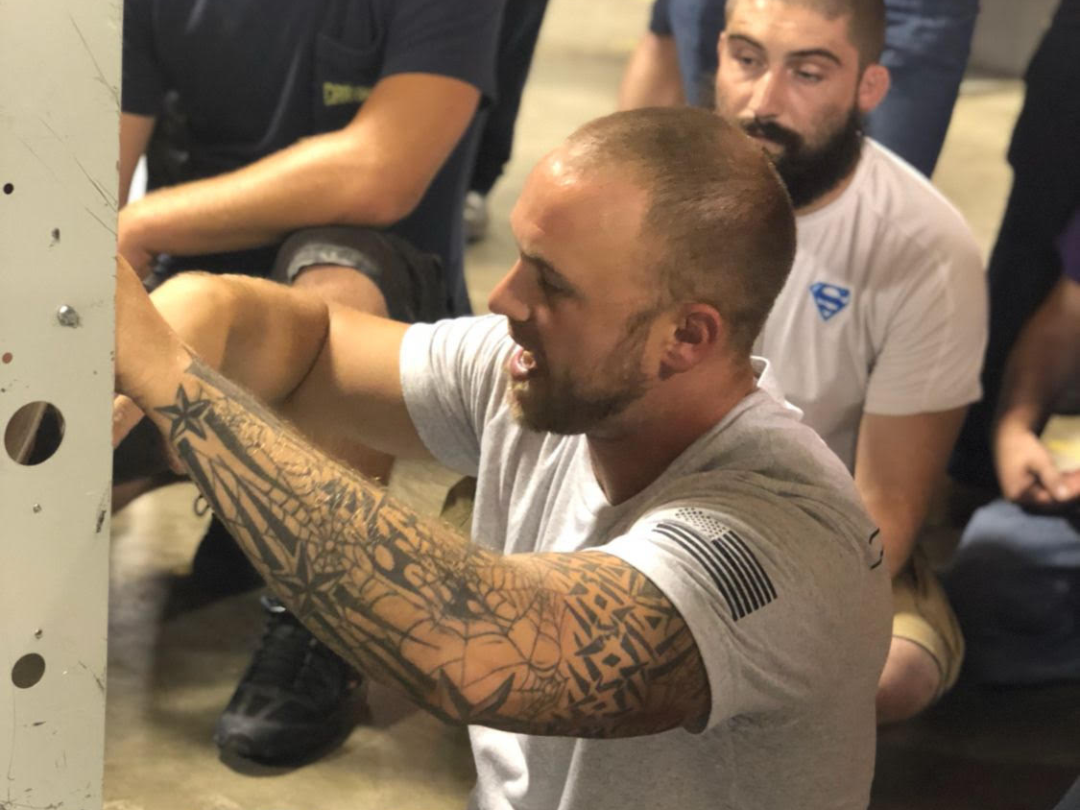
Formal training with a wide range of real heat exchanger specimens systematically addresses those gaps. It exposes technicians to failure patterns across dozens of manufacturers and configurations that most technicians working a single service territory won’t see in years of regular work. It builds the diagnostic vocabulary and pattern recognition that makes fall inspections genuinely protective rather than just procedurally complete.
The failures that show up in fall are the ones a trained technician finds in September. The same failures, uninspected, become emergency calls in December.
Frequently Asked Questions (FAQs)
It’s less that fall creates failures and more that fall reveals them. Problems that developed during summer stagnation, or that were present at the end of last heating season but not yet symptomatic, become active when the system returns to sustained heating loads. The first several cycles of the season apply thermal stress that makes existing weak points visible in ways they weren’t during dormancy.
Homeowners can sometimes notice symptoms: unusual odors when the furnace runs, a carbon monoxide detector that triggers during heating cycles, uneven heating across rooms, or unexplained increases in utility bills. None of these symptoms definitively identify a heat exchanger problem on their own, but any of them warrants a professional inspection. The inspection itself requires technical training that isn’t reasonable to expect from a homeowner.
An annual inspection at the start of the heating season is the standard recommendation. For older systems, for furnaces in homes with indoor air quality concerns, or for equipment that has previously shown stress indicators, more frequent inspection may be warranted. Pre-season inspection is specifically valuable because it allows findings to be addressed before the system is needed for sustained winter heating.
A tune-up covers a broad range of furnace components and functions, with heat exchanger inspection typically representing one element among many. A dedicated heat exchanger inspection applies systematic methodology specifically to the exchanger, including flame observation, detailed visual inspection, and sensory evaluation that accounts for the exchanger type and its associated failure patterns. The depth of attention is substantially different.
The homeowner needs to be informed clearly and specifically about what was found, where, and what it means for safety. Depending on the severity and the exchanger’s overall condition, options may include replacement of the exchanger, replacement of the furnace, or in some cases, temporary operational restrictions pending further evaluation. What shouldn’t happen is a finding that goes undocumented or uncommunicated. Clear, honest disclosure is both the ethical and the professionally protective course of action.
Find More Before the Season Starts
The failures described in this post are findable. Not always easy to find, and not always visible without knowing where to look and what to look for. But findable, by technicians who have the training to approach a heat exchanger inspection with the right methodology and the pattern recognition that comes from working with real equipment.
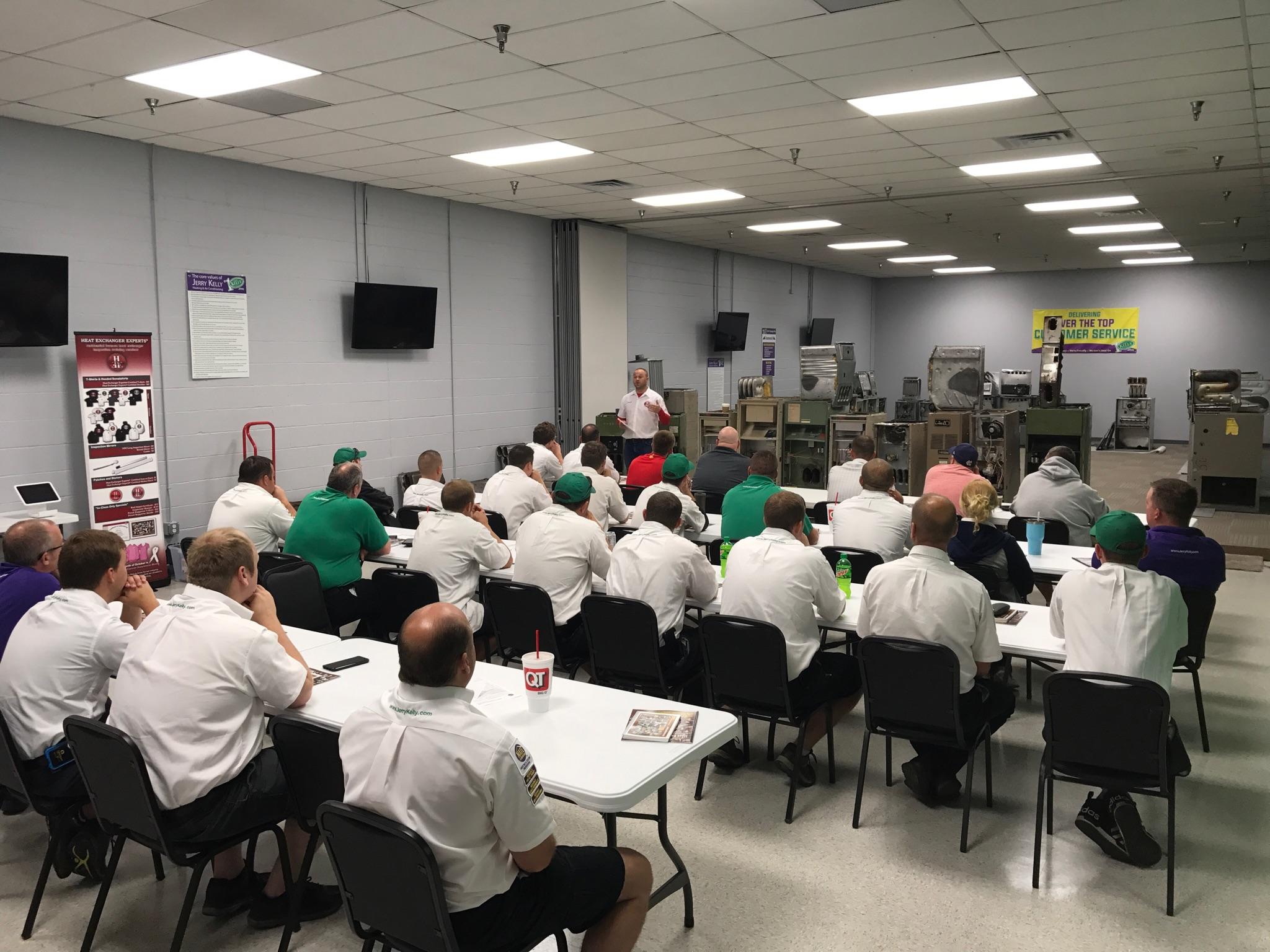
Heat Exchanger Experts runs one-day open seminars that build exactly this capability. Working directly with over 70 real heat exchanger models, led by instructors with more than 55 years of combined field experience, the training develops the inspection skills that make fall the season your team catches problems rather than the season problems catch your customers.