
Heat Exchanger Training in Oaks, PA
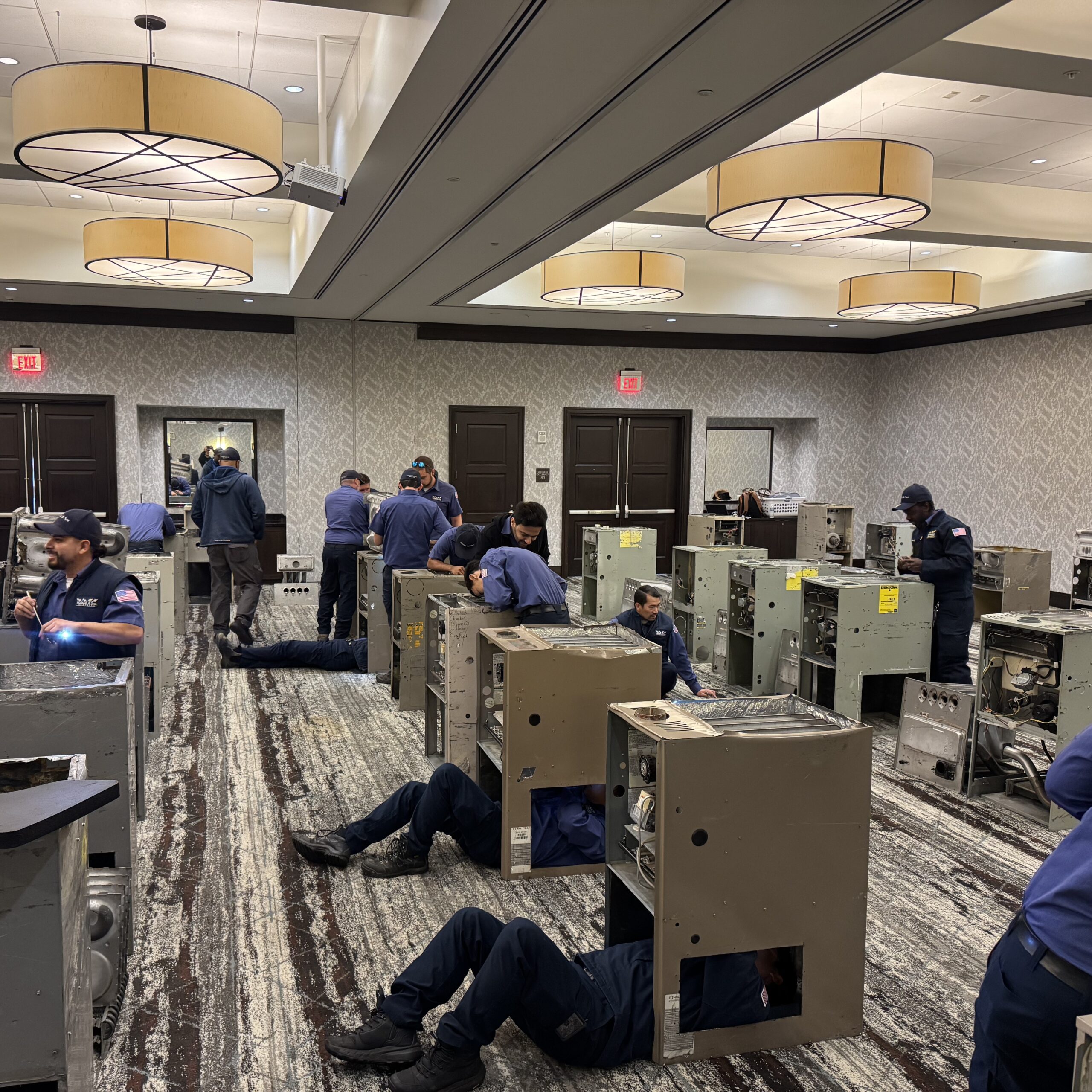
Hands-On HVAC Inspection Seminars for Montgomery County Professionals
We're Bringing Our Best Training Day to the Philadelphia Suburbs
Here’s something we’ve learned after decades in this industry: the technicians who seek out specialized training aren’t the ones who need it most — they’re the ones who already understand why it matters. If you’re reading this page, you’re probably that kind of technician. Or you’re a business owner who’s tired of sending crews out on furnace calls and wondering whether their inspection process is actually thorough enough to protect your customers and your company.
We built Heat Exchanger Experts around one core belief — that heat exchanger inspection deserves its own dedicated discipline, not a chapter in a general HVAC textbook. And we’re bringing that belief, along with everything we’ve developed over 55-plus years in the field, to Oaks, PA.
Why Oaks and Montgomery County Stood Out to Us
The greater Philadelphia region is dense with older housing stock. Walk through any neighborhood in Montgomery County and you’ll find furnaces that have been running for fifteen, twenty, sometimes thirty years — heat exchangers that have cycled through thousands of expansion and contraction events, absorbed years of airflow imbalances, and accumulated the kind of fatigue that doesn’t always announce itself visibly.
That’s a challenging inspection environment. And it’s exactly the kind of environment where the difference between a trained eye and an untrained one shows up most clearly. Pennsylvania winters aren’t as brutal as Minnesota or Illinois, but they’re persistent — and a furnace running steadily through a Philadelphia-area winter puts real cumulative stress on every component inside it, especially the heat exchanger.
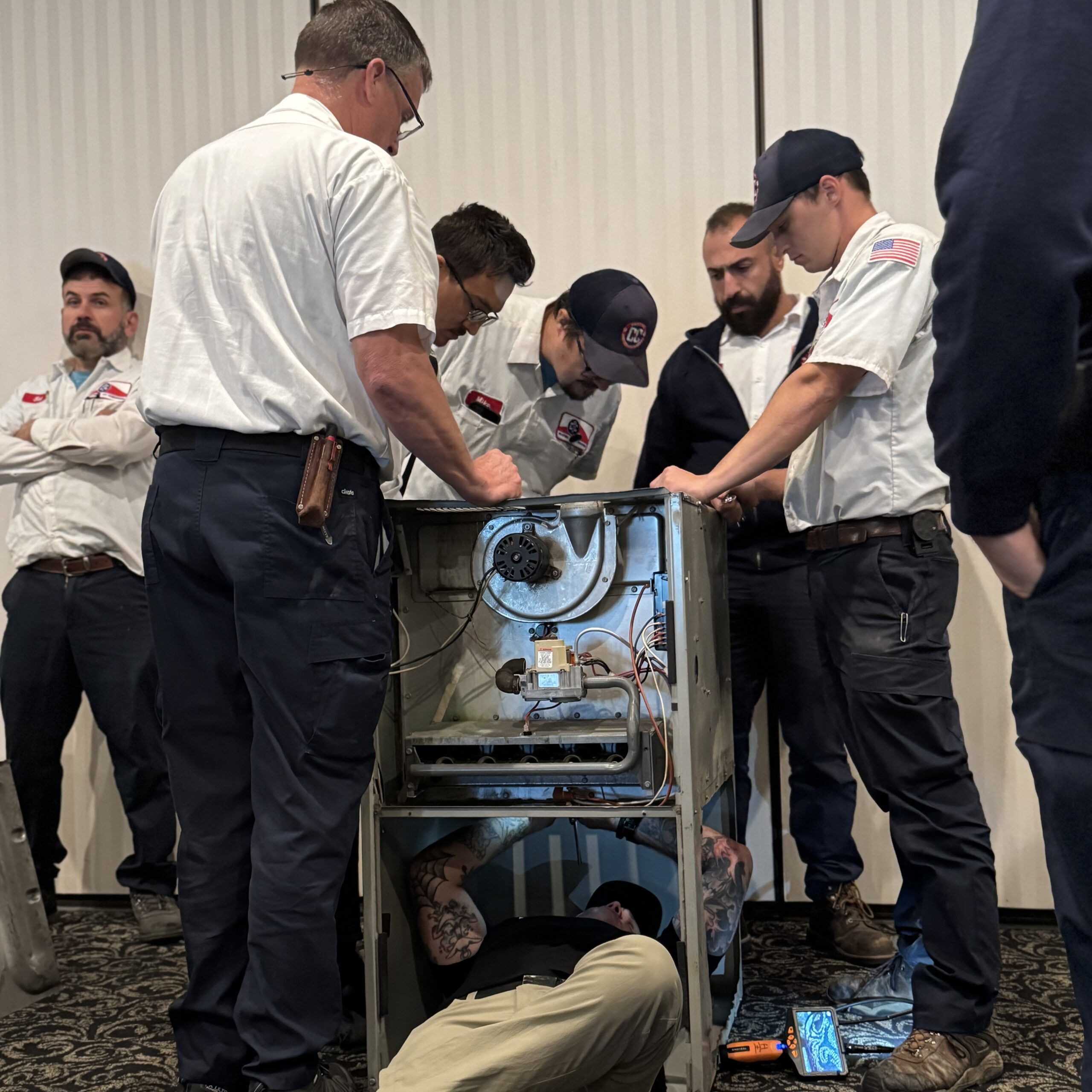
What We Actually Teach — and Why It's Different
We want to be direct about something. This isn’t a broad HVAC refresher course dressed up with a specific topic. It isn’t a certification prep class that happens to mention heat exchangers. This is eight hours of focused, equipment-driven instruction on one subject — and we’ve spent decades refining exactly how to teach it.
Every participant works directly with over 70 real heat exchanger models. Not photographs. Not diagrams. Actual units from actual manufacturers in various stages of wear, failure, and damage. By the time the day ends, you won’t just know what a cracked heat exchanger looks like — you’ll have trained your eyes and hands to recognize the patterns that precede visible failure.
Over the course of the seminar, Oaks attendees will learn to:
- Trace the full lifecycle of a residential heat exchanger — from installation stressors to end-of-life failure modes
- Apply an understanding of thermal transfer to read performance signals that go beyond what a visual inspection alone reveals
- Assess heat exchanger design to anticipate where and why failure initiates in specific unit types
- Recognize the distinct crack patterns, corrosion signatures, and fatigue indicators that appear across clamshell, serpentine, and tubular configurations
- Build a documented, repeatable inspection methodology that stands behind your findings
- Have the kind of clear, confident conversation with a homeowner that turns a safety finding into a trust-building moment rather than a confrontational one
- Protect your business through inspection practices that reduce liability and support defensible service recommendations

The Manual You'll Leave With Is Worth the Trip Alone
Every attendee receives the full-color inspection manual written by Ellis Prach — the founder of Heat Exchanger Experts and a figure whose work has shaped how residential heat exchanger inspection is taught and performed across the country. This isn’t a course handout. It’s a genuine field reference, the kind that earns a permanent place in a service vehicle because technicians actually reach for it.
For Montgomery County professionals navigating Pennsylvania’s licensing and continuing education requirements, the seminar’s curriculum aligns with NATE certification preparation, ESCO Institute standards, and Type II requirements. We always recommend confirming your specific documentation needs with the Pennsylvania Bureau of Professional and Occupational Affairs — licensing landscapes shift, and it’s worth a quick verification before you attend.
Who Gets the Most Out of This Seminar
We’ve taught technicians at every career stage, and we’ll tell you honestly — the ones who get the most out of this day are the ones who show up curious. That said, this training consistently delivers real value for:
- Technicians newer to furnace inspection who want their diagnostic foundation built right from the start
- Apprentices working toward Pennsylvania licensure who benefit from hands-on exposure that trade school rarely provides
- Experienced journeymen who want a systematic framework to complement their field instincts
- Licensed professionals meeting continuing education requirements without sitting through irrelevant content
- Business owners who want every technician on their team performing inspections at the same standard — their standard
- Service managers overseeing inspection quality across multiple crews
What's Waiting for You in Oaks
Every registered seat at the Oaks seminar includes:
- Eight hours of focused instruction in heat exchanger design, thermal transfer, failure diagnostics, and HVAC safety
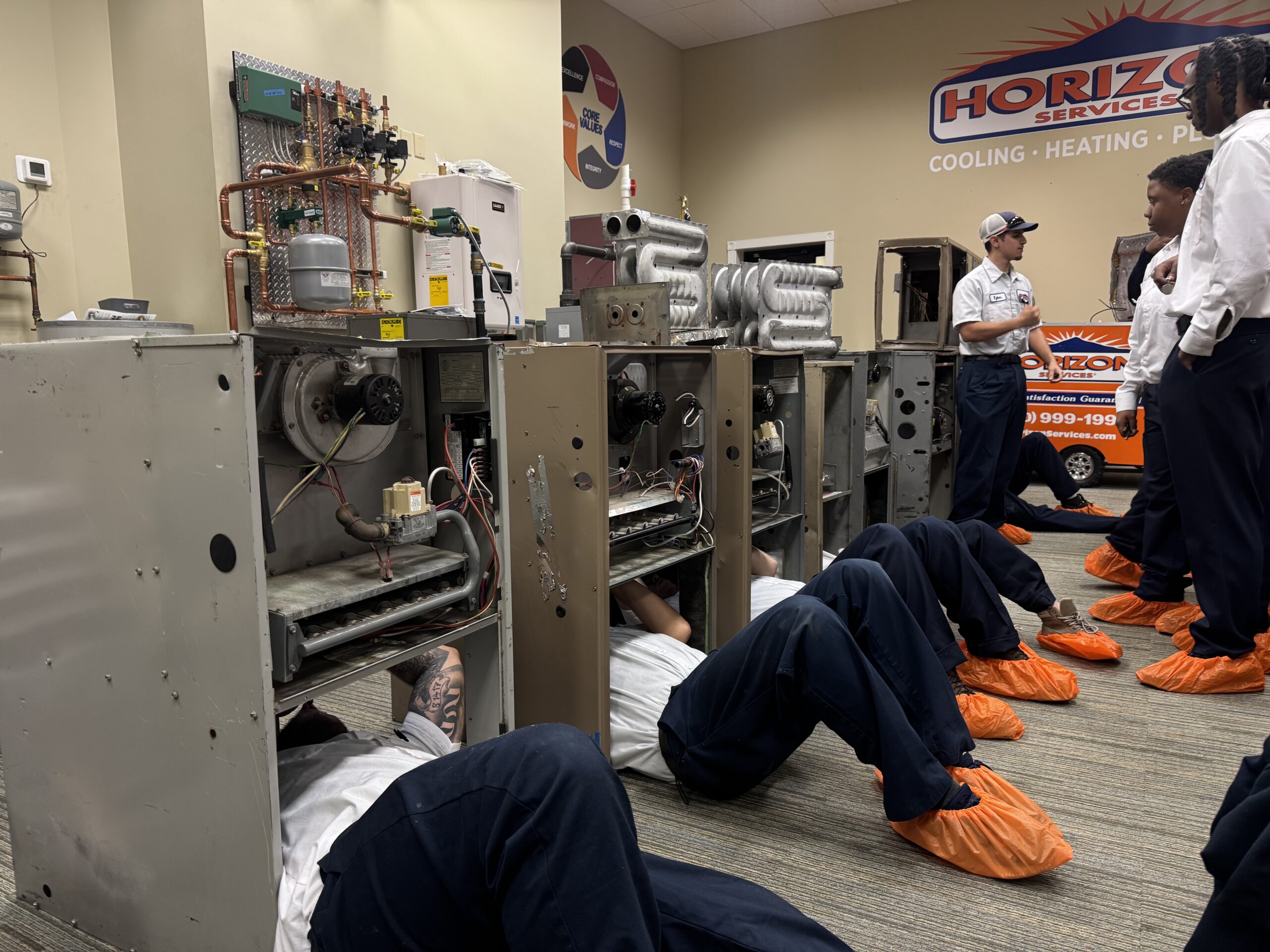
- Direct, hands-on time with over 70 real heat exchanger models across manufacturers and configurations
- Live instructor demonstrations of inspection methodology you can apply the very next morning
- Unscripted Q&A with instructors who have spent careers diagnosing the kinds of failures most technicians only read about
- Breakfast and lunch provided — arrive ready to work, not worried about logistics
- A take-home full-color inspection manual that functions as a lasting professional resource
Frequently Asked Questions
This Is the Training Day That Changes How You Work
There’s a version of professional development that feels like an obligation — something you do to check a box, collect a certificate, and move on. This isn’t that. The technicians and business owners who attend our seminars tend to leave describing the experience as one of the most practically useful days they’ve invested in their career. That’s not an accident. It’s the result of building an entire training program around one thing and doing it right.
Spots in Oaks are limited and will fill. If this training is on your radar, register now — don’t let the next heating season start without it.