September has a particular feeling in the HVAC business. The phones aren’t ringing at the pace they will be in six weeks. The schedule has some breathing room. And somewhere in the back of your mind, you know what’s coming.
That window — the few weeks between the end of cooling season and the beginning of heating season — is one of the most valuable stretches in the entire business calendar. Most owners use it to catch up on administrative work, restock parts, or simply recover from a long summer. Those are legitimate uses of the time. But there’s an argument that the highest-return thing you can do in that window is train your team.
Not because training is a nice-to-have. Because what your technicians know, and how consistently they apply it, determines what your business looks like from November through February.
The Timing Problem Most HVAC Owners Recognize Too Late
Ask most HVAC business owners when they think about team training, and the honest answer is usually after something goes wrong. A callback that shouldn’t have happened. A technician who missed something on a furnace inspection that a more experienced person would have caught. A homeowner complaint that traces back to an inspection that was thorough in some ways and not in others.
The problem with reactive training is that it’s expensive. Callbacks cost money directly. They also cost you the time your technician could have spent on a paying job, the trust of a customer who expected better, and sometimes the kind of reputation damage that spreads through a neighborhood faster than any marketing budget can counter.
Proactive training before winter is a different calculation entirely. The same investment made in September, before the season, pays forward across every single heating call your team runs through February. You’re not fixing one problem after it happened. You’re raising the floor for every job before the season starts.
What Actually Changes When Your Team Trains Together
There’s a difference between individual technicians attending training at various points in their careers and a team training together around a shared methodology. The first produces technicians who are individually capable but potentially inconsistent with each other. The second produces a team that inspects, documents, and communicates in the same way across every job.
That consistency matters more than most owners realize until they scale past a certain size. When you have three technicians who each learned heat exchanger inspection informally and separately, you have three slightly different inspection processes running under one company name. The variance is invisible to you until a customer notices it, or until one of them misses something the others would have caught.
Training your team before winter, around a shared inspection framework, solves this. Every technician walks into heating season working from the same playbook. Quality control becomes possible in a way it simply isn’t when the baseline is different for everyone.
The Business Case, Broken Down
Fewer Callbacks
A callback is rarely just one hour of lost time. It’s a rescheduled job, a technician pulled off a paying call, a potential discount or free service to restore goodwill, and a customer who is now less likely to refer you to a neighbor. The root cause of most heating-season callbacks is an inspection that wasn’t thorough enough the first time. Training that improves inspection methodology reduces callbacks directly and measurably.
Faster Diagnostics Under Pressure
January service calls don’t allow for long troubleshooting sessions. A family without heat at 6 AM needs a technician who can identify the problem quickly and accurately. Technicians who have refreshed their knowledge before the season, who have worked through failure scenarios in a training environment, move faster and more confidently in the field. First-time fix rates go up. Customer satisfaction follows.
Better Conversations With Homeowners
This one is underestimated. A technician who can explain what they found in a furnace inspection, why it matters, and what the options are, in plain language, without the homeowner feeling talked down to or pressured, is one of the most valuable assets an HVAC company can have. It isn’t a sales skill, exactly. It’s a communication skill built on genuine technical understanding.
When a technician finds a heat exchanger problem and can walk a homeowner through what they’re looking at and what it means for their family’s safety, that conversation goes very differently than when a technician says “it’s cracked, you need a new one” and stops there. Training that addresses both the technical and the communication side of inspection work produces technicians who are better at both.
Reduced Liability Exposure
This is the one that doesn’t show up in the revenue column but shows up everywhere else. A missed heat exchanger defect that leads to a carbon monoxide event is a business-altering situation. The liability exposure, the reputational damage, the personal weight of knowing a family was put at risk. Structured inspection training that builds systematic, defensible methodology is one of the most direct ways an HVAC business owner can reduce that risk across their entire team.
Where to Focus the Investment
Not all training produces equal returns in a heating season context. The areas that translate most directly to better winter performance are:
Heat Exchanger Inspection Methodology
This is the highest-stakes technical skill in residential furnace work, and the one most likely to have gaps from informal or experience-only learning. Technicians who have received structured training on how different heat exchanger types fail, what stress fractures and corrosion patterns look like across dozens of real units, and how to document findings clearly are simply better at this work than those who haven’t. The difference shows up in what they catch and in how they handle what they find.
Inspection Documentation
A thorough inspection that isn’t documented is a liability rather than a protection. Your team should be recording findings consistently, using the same format, with enough specificity that the record is useful if a situation is ever disputed. This isn’t bureaucracy. It’s professional practice that protects your business and demonstrates your standards to customers.
Communicating Findings to Homeowners
Train your technicians specifically on how to explain heat exchanger findings to a homeowner who has no technical background. What words to use. What to show them if possible. How to present options without pressure. This skill directly affects conversion rates on legitimate findings, but more importantly it affects customer trust, which is the asset your business runs on.
A Note on How Teams Learn Best
There’s a meaningful difference between sending one technician to a training event and training your team together. When a single technician attends and returns with new knowledge, adoption depends entirely on that individual’s ability to transfer what they learned to their coworkers informally. That transfer is usually incomplete.
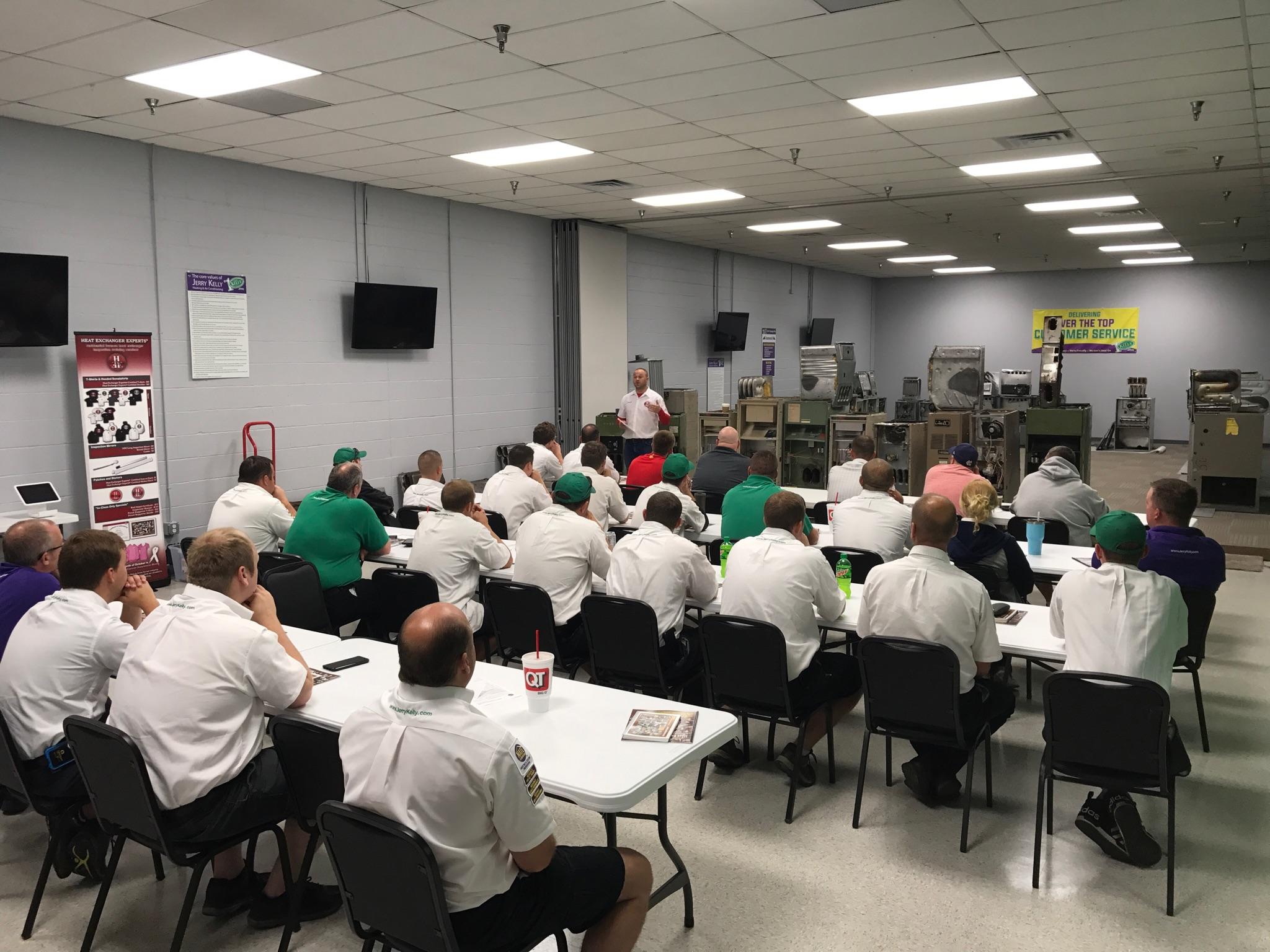
When a team trains together, the shared experience becomes the foundation for a shared standard. The conversations that happen in a training environment, where technicians from the same company are working through the same material alongside each other, produce alignment that individual attendance cannot replicate.
For heating season preparation specifically, group training before the season starts is the approach that actually changes how the team performs as a unit when the calls start coming in.
Frequently Asked Questions (FAQs)
September is the practical sweet spot for most markets. It’s late enough that technicians are mentally transitioning toward heating work, but early enough that any knowledge gaps can be addressed before the season peaks. Training in October or November is better than not training at all, but you lose the preparation window that September offers.
Consistently, experienced technicians get significant value from structured training. Years of field experience build strong pattern recognition, but they also build blind spots based on the specific equipment and failure types each technician has personally encountered. A formal training environment, especially one that includes hands-on work with a wide range of real heat exchanger models, exposes technicians to failure patterns they may not have seen in their own service territory.
The clearest metrics are callback rates before and after the training period, first-time fix rates during the heating season, and any reduction in customer complaints related to inspection quality. These aren’t always easy to isolate from other variables, but most business owners who invest in pre-season team training report visible improvements in all three within the same heating season.
Yes. Heat Exchanger Experts offers group enrollment for HVAC companies who want to train multiple technicians together. It’s worth contacting them directly to discuss scheduling options, since fitting a whole crew into a single seminar date requires some coordination but is straightforwardly possible.
Because the heating season is when heat exchanger failures surface, when the consequences of a missed inspection are most serious, and when your team’s inspection quality is most visible to customers. Training that addresses heat exchanger methodology specifically before the season puts your technicians in the best position for exactly the calls that carry the most weight.
Your Team, Better Prepared
The HVAC business is seasonal in ways that create real pressure on owners and technicians alike. The window before that pressure arrives is short, and there are a hundred things competing for the attention it takes to use it well.
Training is the investment that compounds. A callback prevented this January is a job your technician can spend on a paying customer instead. A homeowner who receives a clear, confident explanation of what was found in their furnace is a homeowner who refers your company to two neighbors. A technician who catches a heat exchanger problem that a less-trained technician would have missed is a technician who may have prevented something much worse.
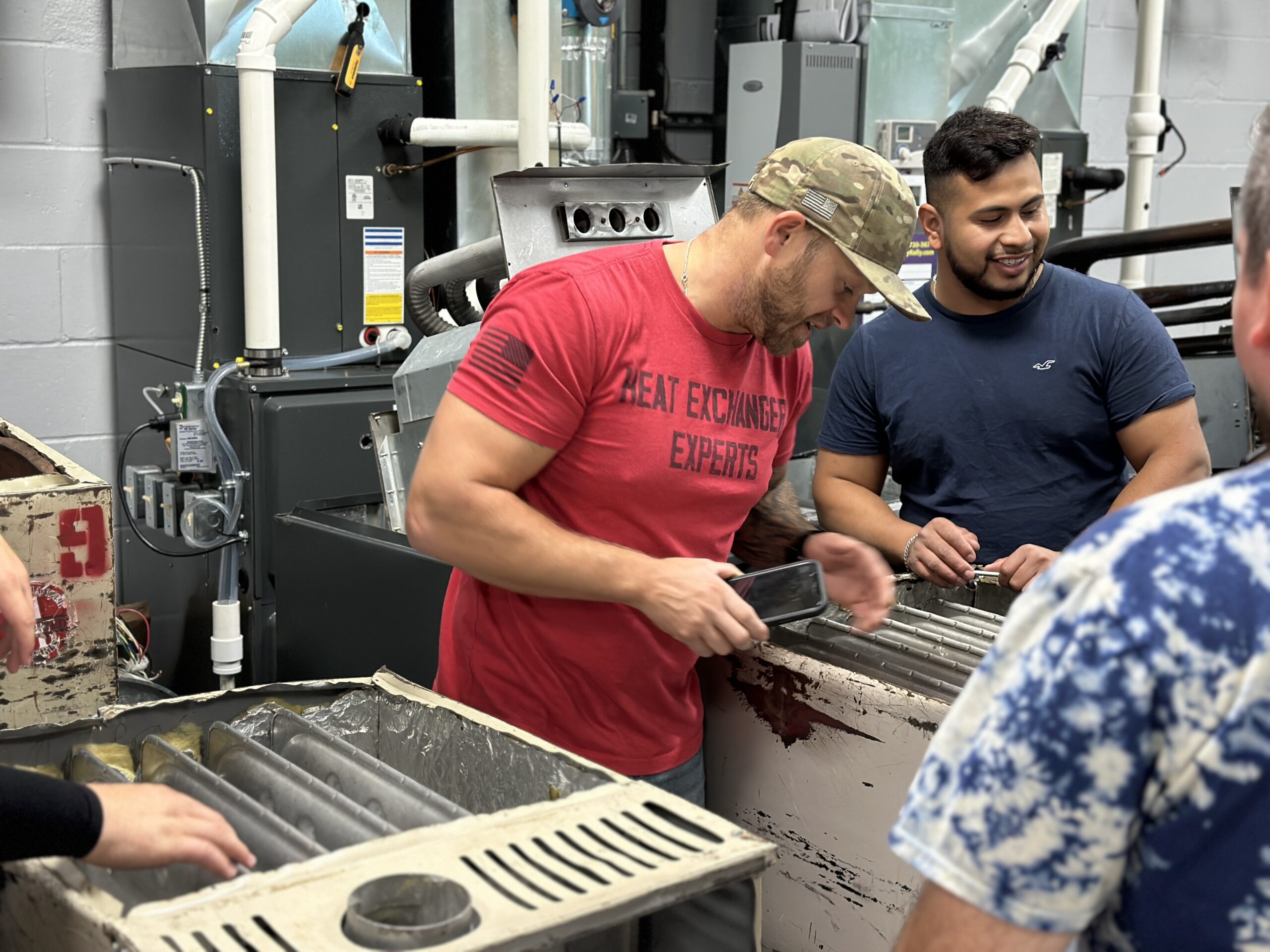
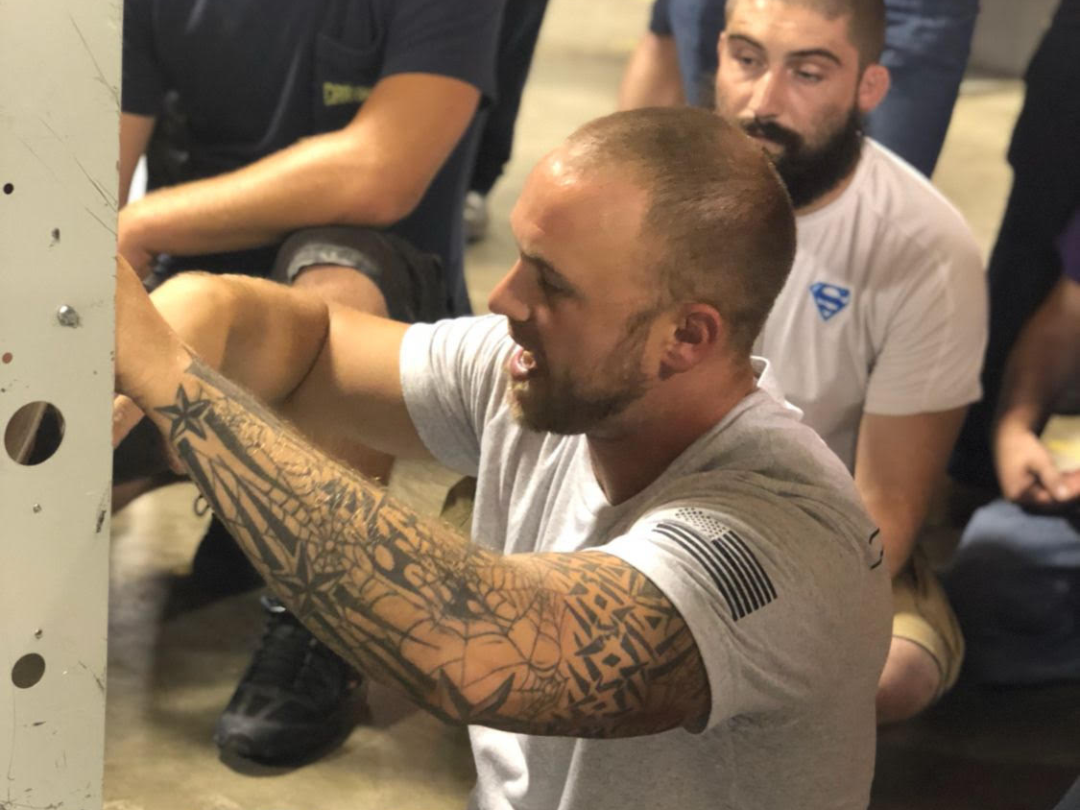
Heat Exchanger Experts runs one-day open seminars across the country, built specifically around heat exchanger inspection training. With over 70 real heat exchanger models, instruction from the Prach family with more than 55 years of combined field experience, and a curriculum designed to build the exact skills that heating season demands, it’s the kind of training that pays forward across every job your team runs this winter.
Group enrollment is available. If your team’s heating season preparation includes getting everyone on the same inspection standard, this is where to start.