
Heat Exchanger Training in Duluth, GA
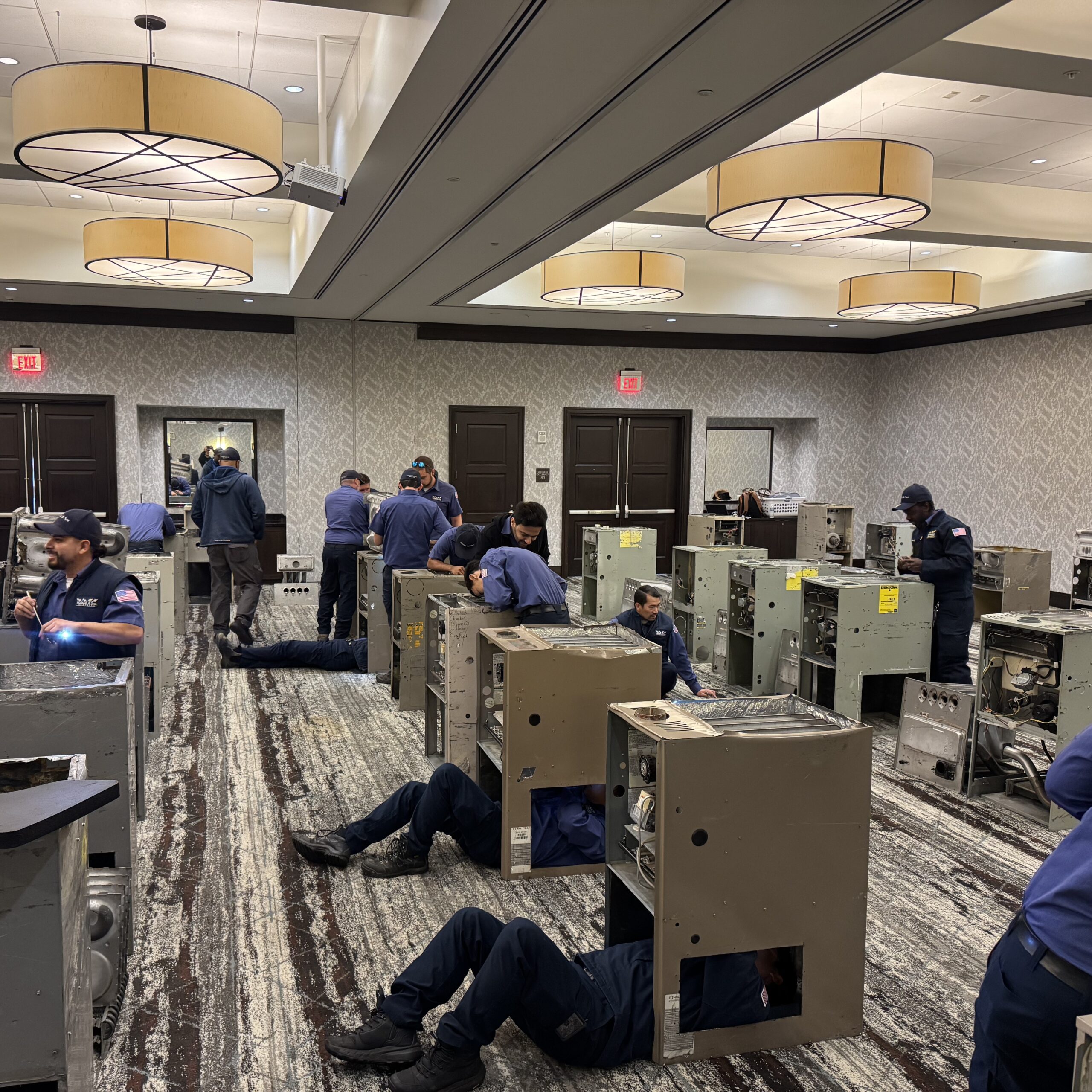
Hands-On HVAC Inspection Seminars for Georgia's Growing Trade Workforce
Specialized Heat Exchanger Training Has Arrived in Duluth
Gwinnett County and the greater Atlanta metro have experienced some of the most sustained residential and commercial growth in the Southeast — and the HVAC industry has grown right alongside it. For technicians working in Duluth and the surrounding communities, that growth means more service calls, more furnace inspections, and more responsibility to perform every job to the highest industry standards.
Heat Exchanger Experts is bringing its nationally recognized inspection training course to Duluth, GA. This is the same focused, field-tested program that has trained thousands of HVAC professionals across the country — now available to Georgia technicians without the cost or time of traveling out of state.
What Makes Georgia a Unique Market for This Training
Georgia’s climate creates a specific set of demands on residential heating systems. While cooling dominates much of the year, the months where furnaces run hard matter enormously — and a heat exchanger failure in a Duluth home during a January cold snap carries real consequences. Understanding how heat exchangers work, and knowing how to identify when they’re failing, is what separates a technician homeowners trust from one they don’t call back.
HVAC safety is never incidental — it’s the foundation of every inspection. Carbon monoxide risk, system failure, and homeowner wellbeing are all tied directly to the accuracy of the work you perform. Technicians who approach heat exchanger inspection with documented, proven methodology are better protected from liability and better positioned to grow their business.
What You'll Learn in This Heat Exchanger Course
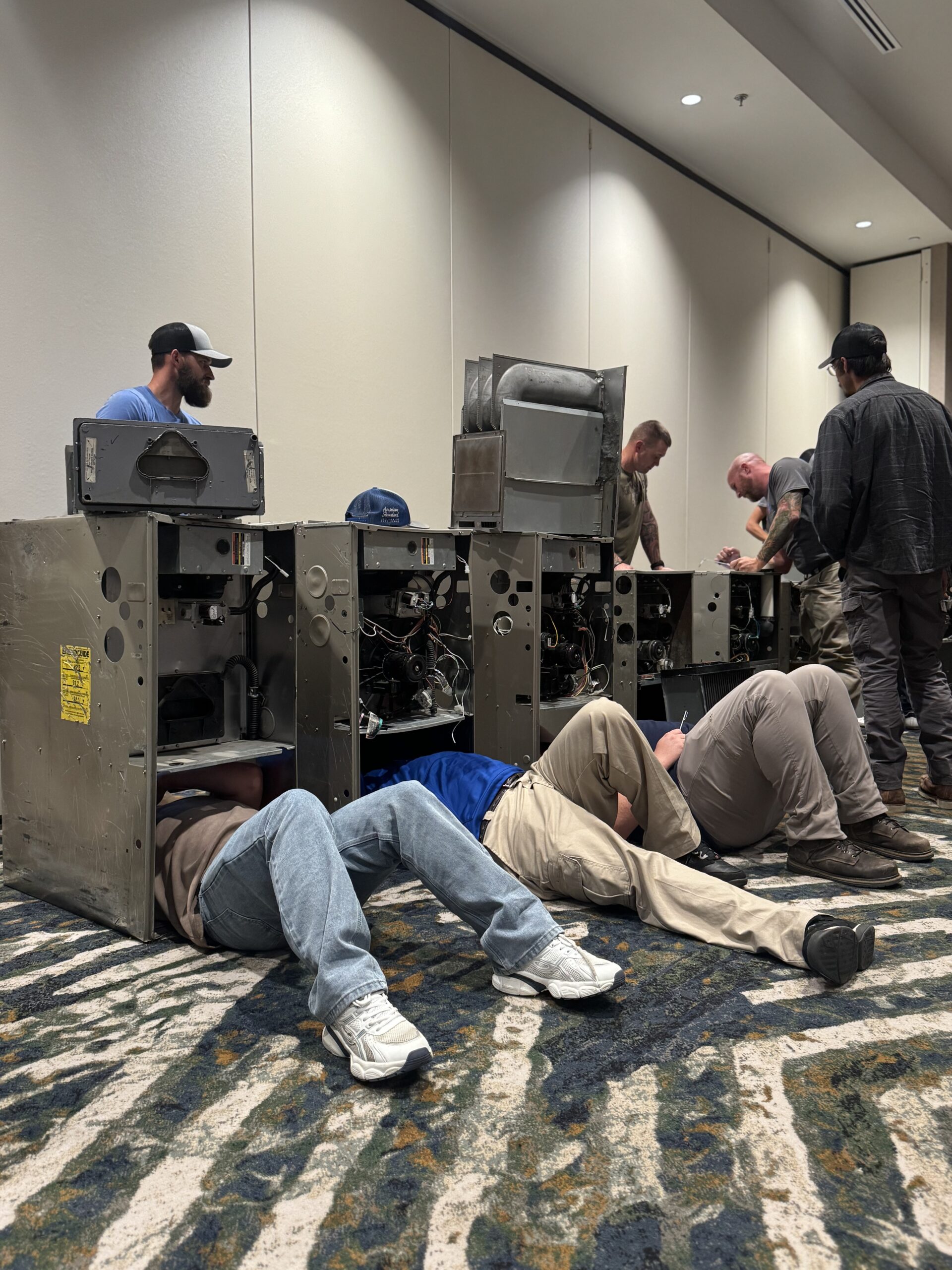
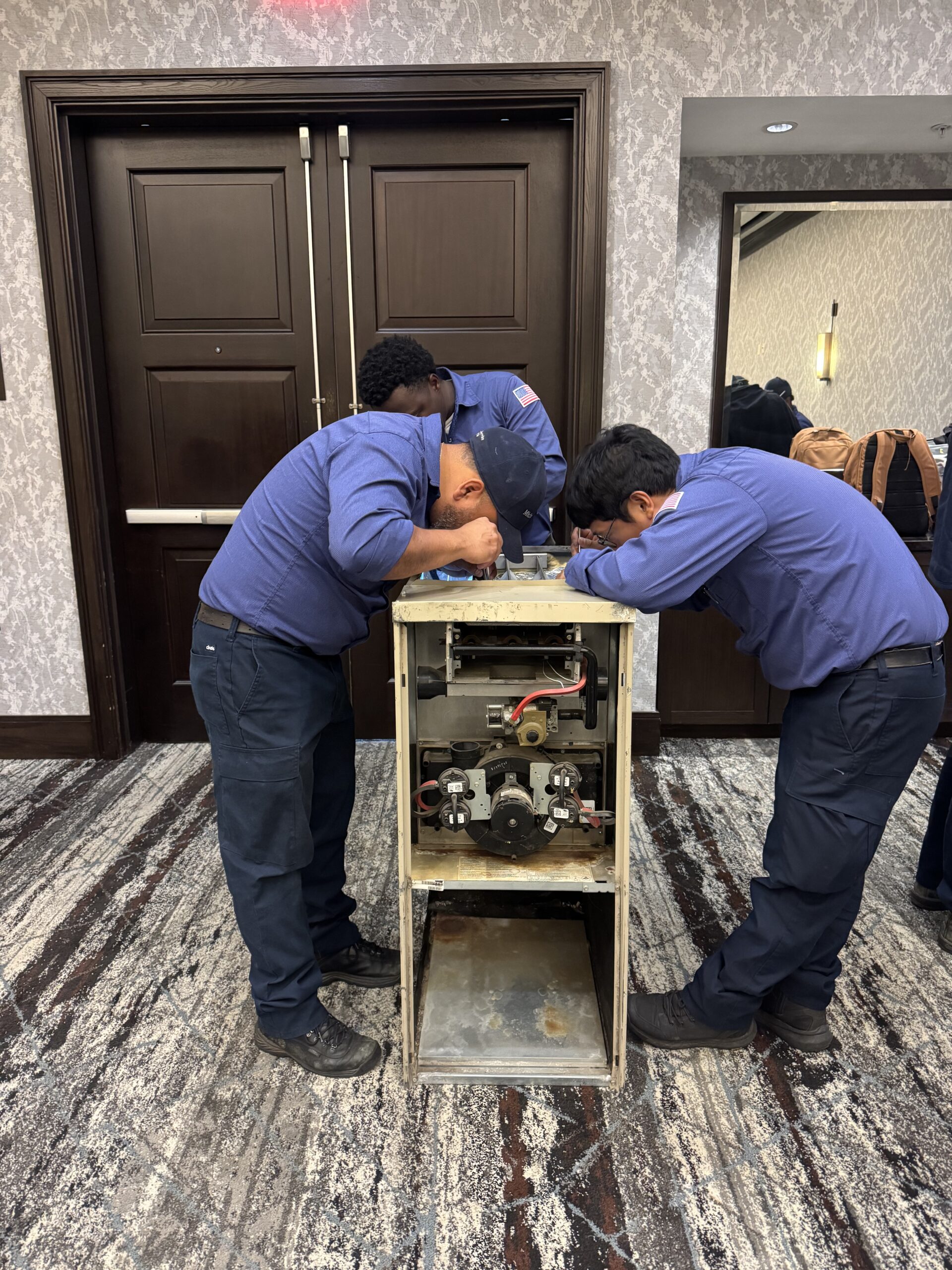
Our eight-hour inspection training course is led by instructors from the Prach family — founders of Heat Exchanger Experts and the source of more than 55 years of combined HVAC field experience. Training is built around direct, hands-on interaction with over 70 real heat exchanger models drawn from manufacturers across the industry.
A core part of what makes this heat exchanger course valuable is the time spent understanding not just what failure looks like, but why it happens. Thermal transfer principles, heat exchanger design fundamentals, and the relationship between airflow and long-term component integrity are all woven into the instruction — giving attendees a working understanding of the equipment, not just a checklist to follow.
Throughout the day, Duluth attendees will develop the ability to:
Understand how heat exchangers work across different residential furnace configurations
Detect cracks, fatigue, and corrosion using proven inspection training techniques
Identify the primary causes of heat exchanger failure and trace each back to its origin
Recognize how heat exchanger design affects both performance and failure risk
Separate defects caused by manufacturing flaws from those caused by improper installation or insufficient airflow
Conduct systematic, repeatable inspections that align with current industry standards
Apply thermal transfer knowledge to diagnose performance issues beyond visible defects
Engage customers during the inspection process in a way that increases transparency and trust
Build a documentation habit that protects your business and supports your professional credibility
This is applied learning — not a lecture series. Every technique taught is immediately transferable to the job site.
Supporting Your Credentials and Career in Georgia
Georgia’s HVAC licensing requirements place a premium on documented professional development and continuing education. This inspection training course is structured to complement NATE certification preparation, ESCO Institute standards, and Type II requirements — supporting technicians whether they’re building an initial credential or renewing an existing one.
All three primary residential heat exchanger models are covered in depth:
Clamshell heat exchangers, common in standard-efficiency furnaces
Serpentine heat exchangers, found in many high-efficiency systems
Tubular heat exchangers, used across a broad range of manufacturer platforms
Each participant receives a full-color inspection manual authored by Ellis Prach — a working field reference built on decades of real inspection experience that serves as one of the most practical consultant tools available to working technicians. It remains a go-to resource long after the seminar is complete.
The Right Training Course for Every Stage of Your Career
This Duluth seminar delivers meaningful professional development for:
Entry-level technicians who want a strong diagnostic foundation grounded in how heat exchangers work
Apprentices and trainees working toward their first certification or licensure
Journeymen ready to deepen their expertise in heat exchanger design and failure analysis
Licensed professionals fulfilling continuing education obligations
HVAC company owners seeking to strengthen their team’s inspection capabilities and reduce liability exposure
No matter where you are in your career, the skills developed in this training course have a direct impact on the quality and confidence of your daily work.
Your Full Day in Duluth — What's Included
Attendance at the Duluth seminar includes:
Eight hours of expert instruction covering heat transfer principles, failure diagnostics, and inspection methodology
Hands-on evaluation of real heat exchanger models across multiple manufacturers and configurations
Interactive Q&A with instructors who have encountered virtually every failure pattern in the field
Dedicated time to connect and network with fellow Georgia HVAC professionals
Complimentary breakfast and lunch throughout the training day
A take-home, full-color inspection manual — one of the most practical consultant tools in the industry
Frequently Asked Questions
The curriculum is built around nationally recognized frameworks including NATE and ESCO Institute standards. Every inspection technique taught reflects current industry standards for residential furnace safety and defect documentation. We recommend verifying your specific Georgia licensing or continuing education requirements with the state’s Professional Licensing Boards division.